Ecocide
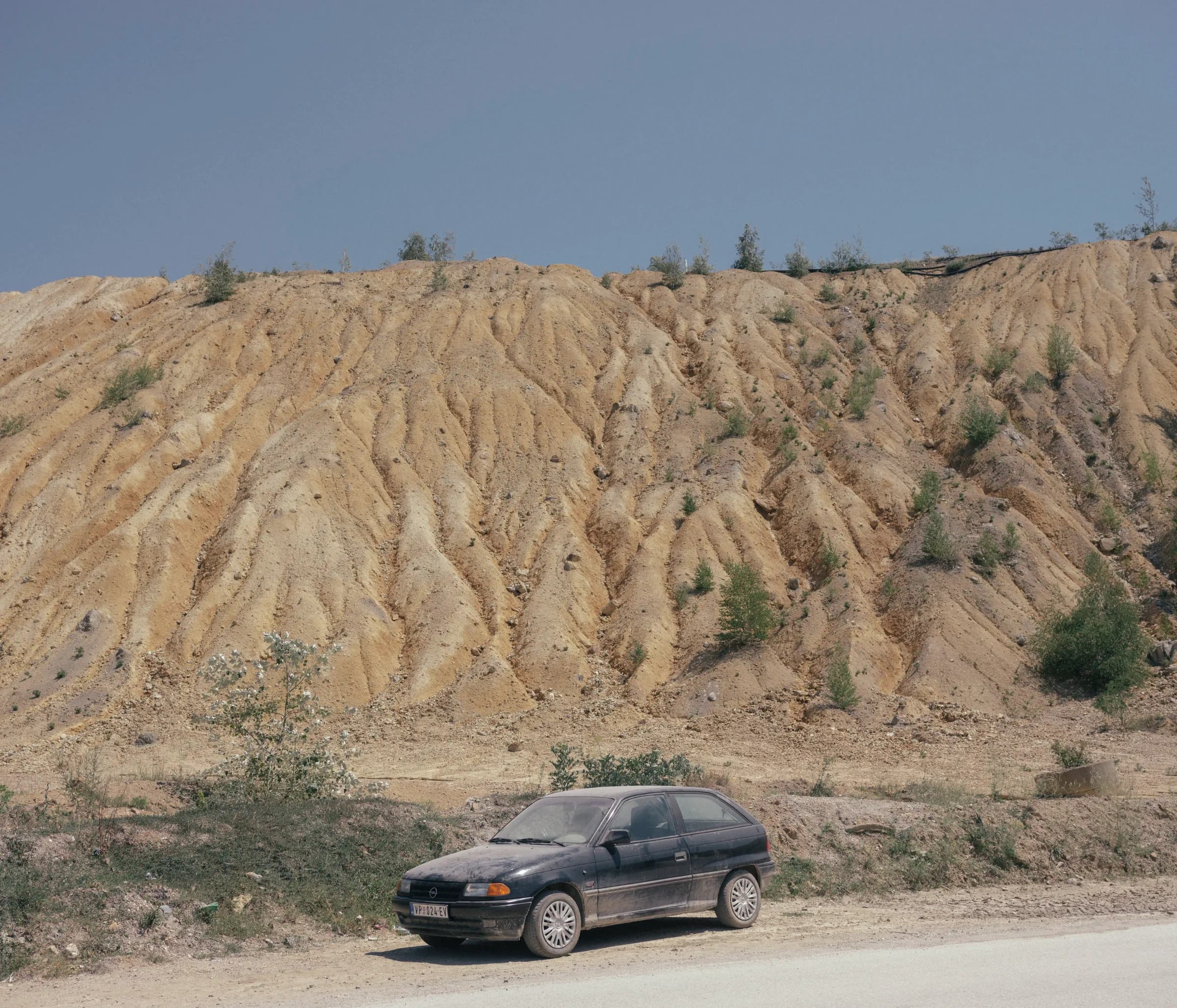
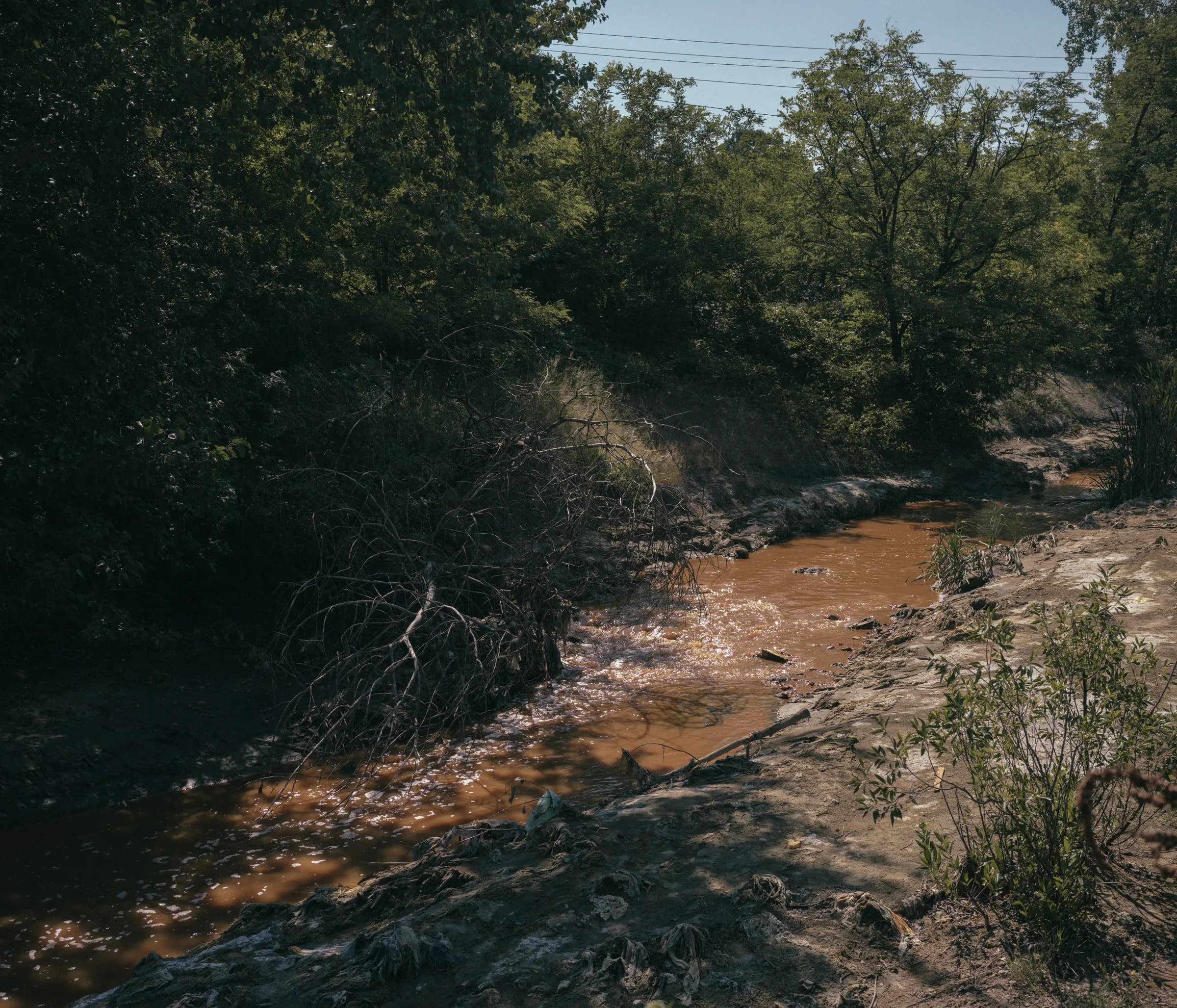
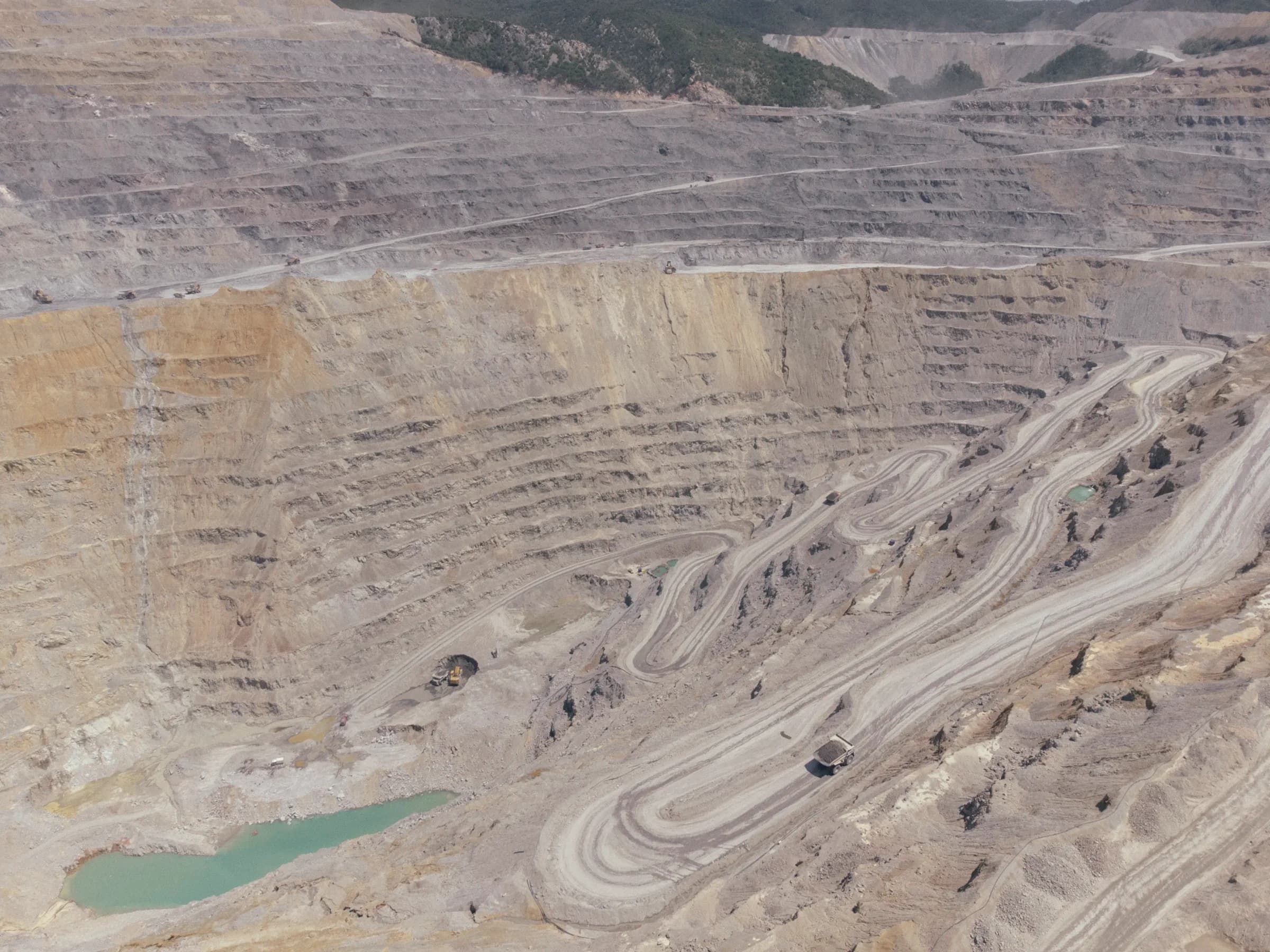
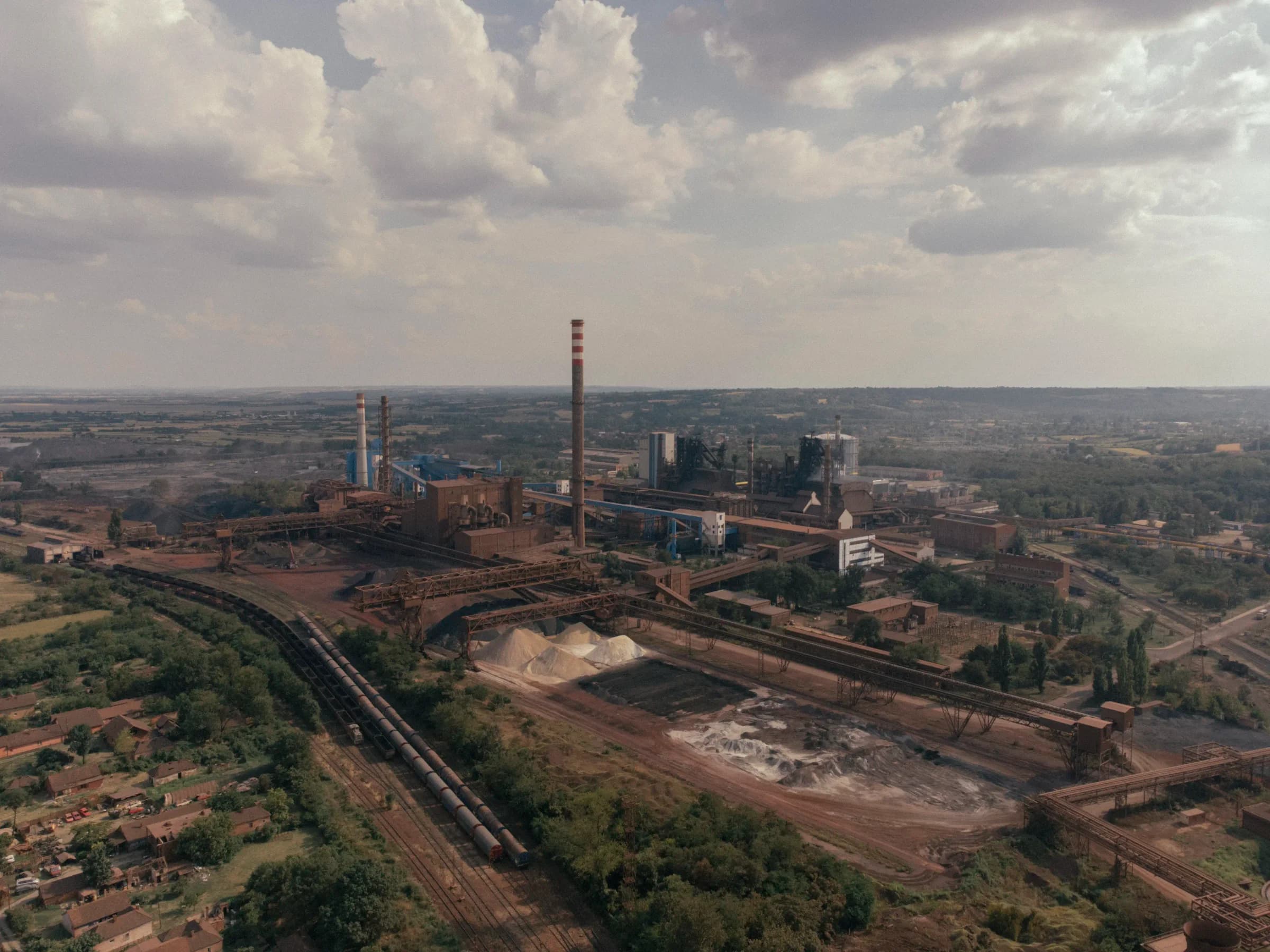
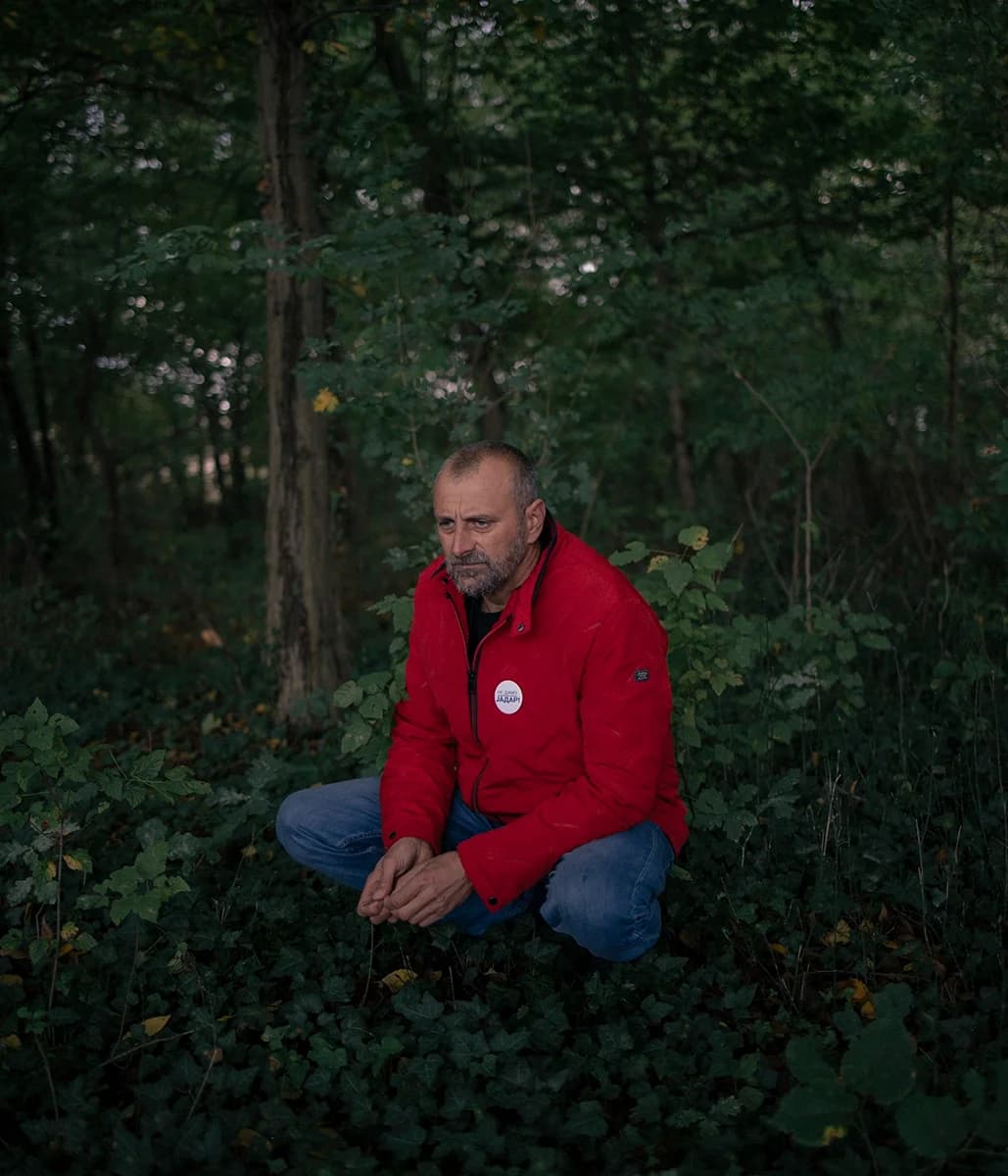
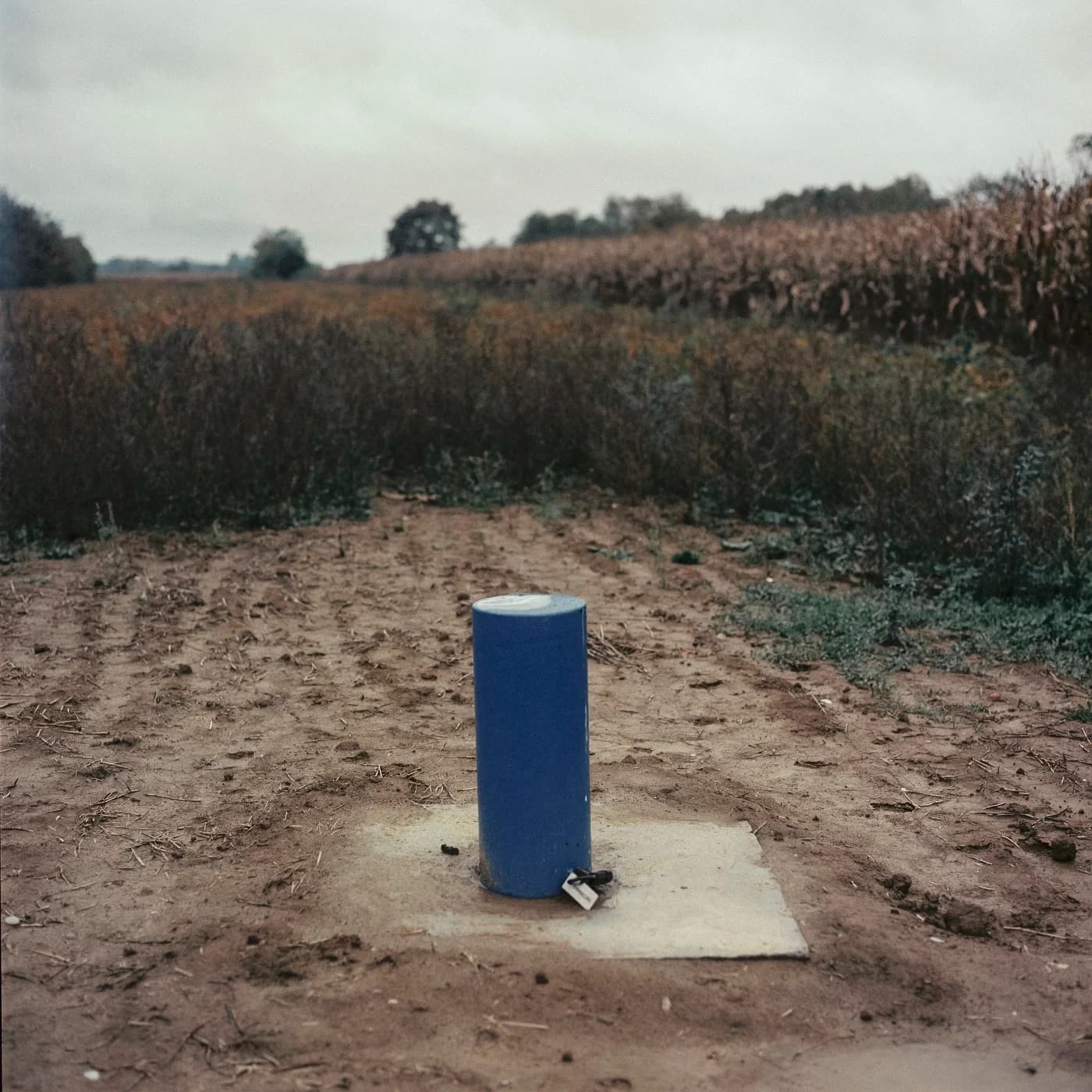
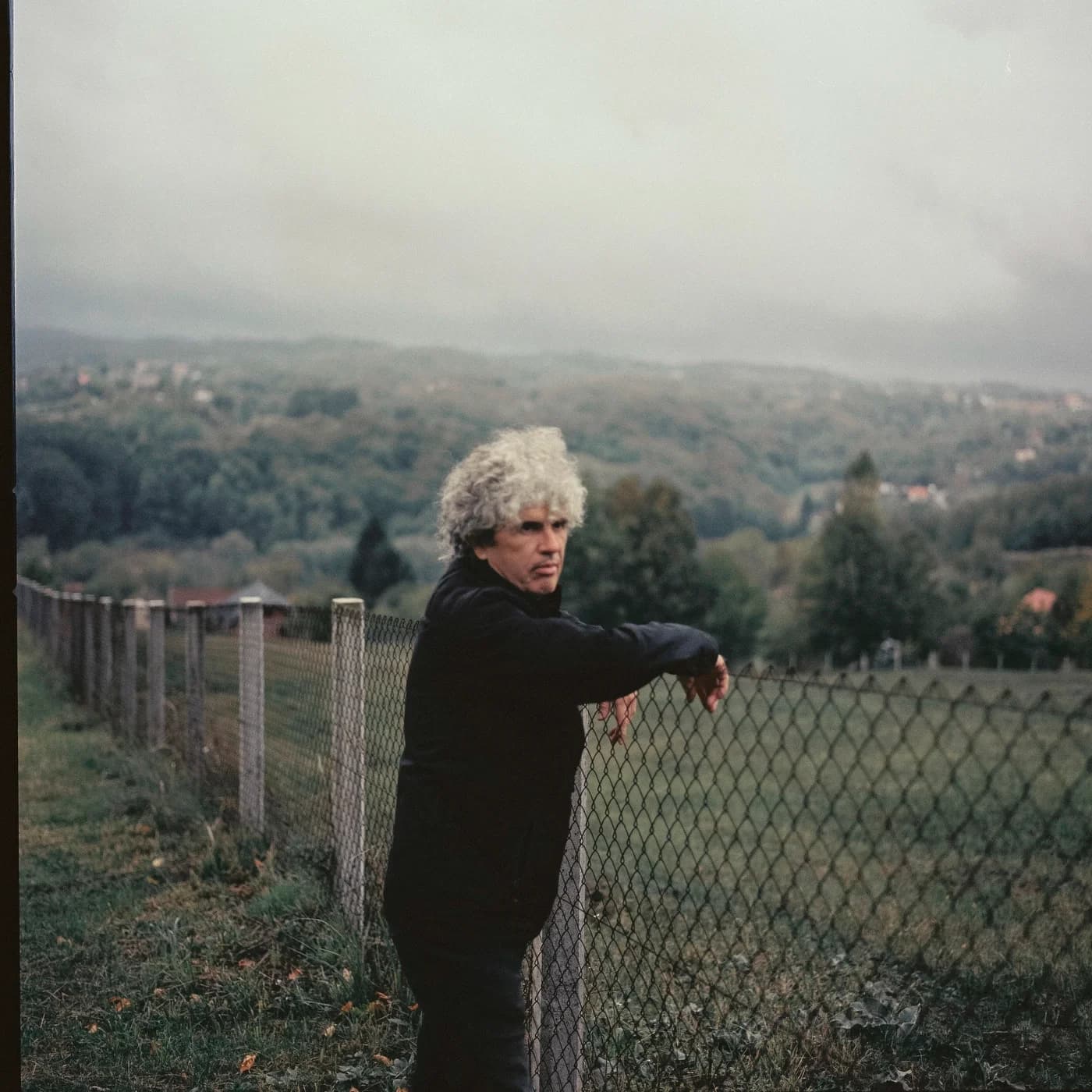
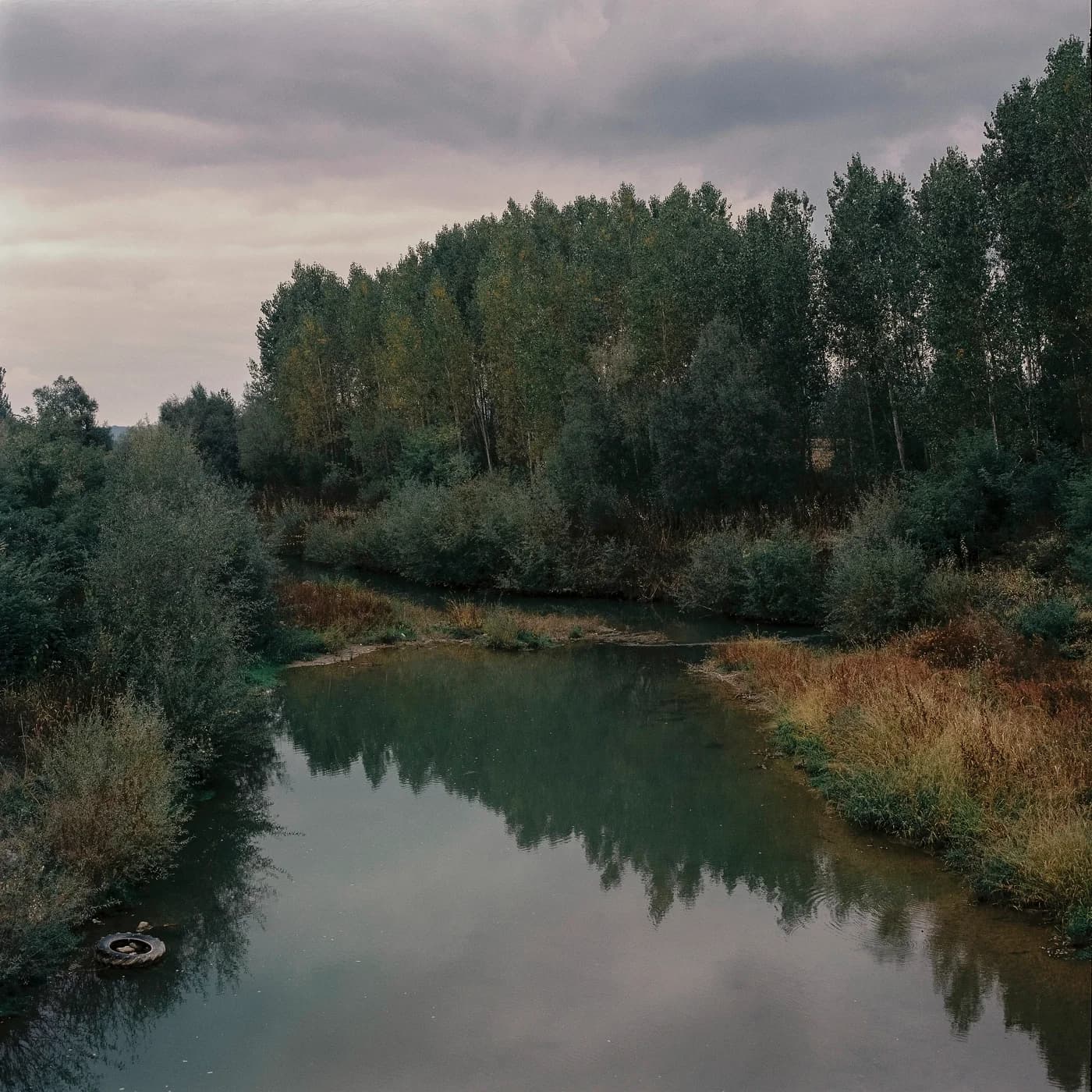
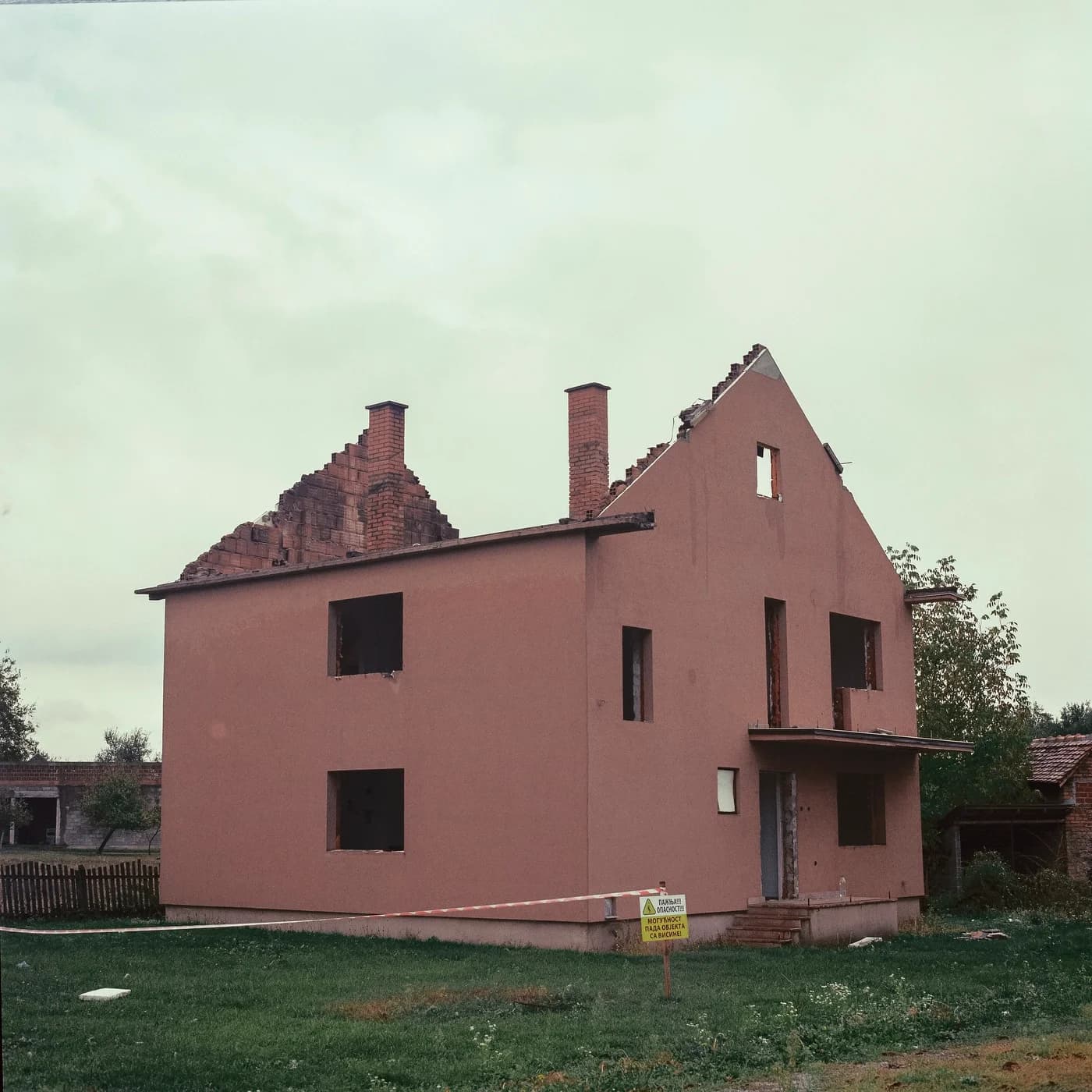
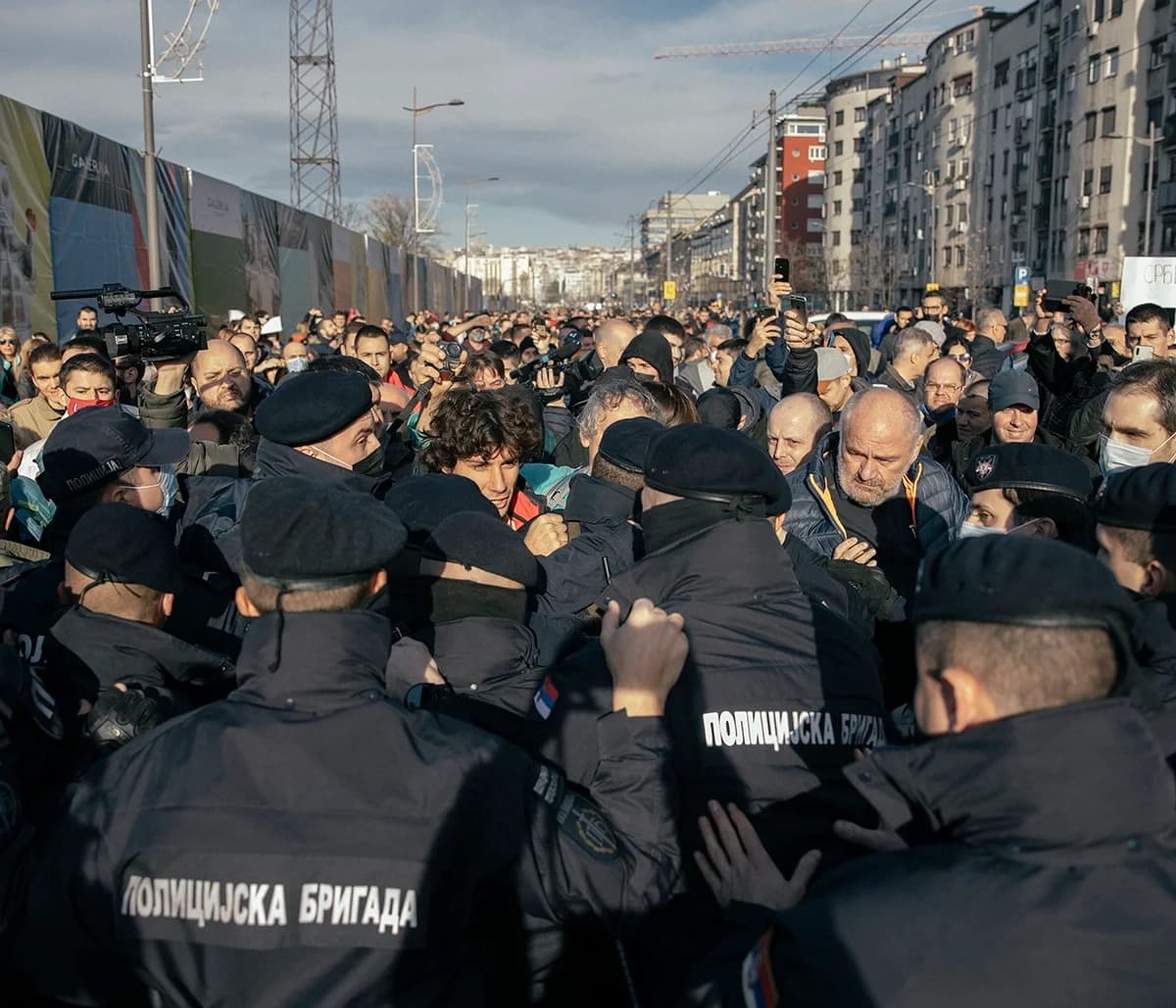
I would like to cover the impact of various industries on Serbia’s environment, specifically those that contribute to air pollution. Serbia is a country that politically juggles between East and West – it’s nominally on EU path but lately has started to court a number of Chinese investors who are interested in outsourcing dirty industries from the Asian giant. Serbia is a convenient partner because its proximity to the EU gives easy access to European market, but also due to the country’s willingness to make deals labelled as state secret, where the investors don’t have to disclose any details on the deal. Most of those investments have stirred fears for potential environmental impact, because in recent years Chinese investors have taken over Serbia’s steelworks, a number of copper and other mines and started building a tyre mega factory. Air pollution in the Balkan country causes large number of premature deaths, and the consequences include shorter life expectancy and public health deterioration. According to European Environment Agency, poor air quality in the region causes more than 30,000 premature deaths, and the EU’s Joint Research Center said that air pollution on average contributes to the reduction of life expectancy between 0.4 and 1.3 years in the countries of the Western Balkans. Coal-fired power plants, which are a dominant source of energy in the region, account for economic damage ranging between €1.2 billion and €3.4 billion per year for healthcare costs, studies have shown. Serbian cities have steadily been in the top ten most polluted cities in Europe, according to IqAir. I would like to capture the impact heavy industry and pollution have on everyday people’s lives. From the city of Bor, where the Zijing copper mining and smelting complex is linked to a massive amount of premature deaths, Western Serbia where locals battle the plans of building one of Europe’s biggest lithium mines to Zrenjanin, where the Chinese-owned Linglong company is building a factory with planned production of 13 million tyres annually. Environment protection was for decades completely neglected by Serbian authorities, but in recent years it has grew into public debate number one. It has pitted festering distrust in the country's increasingly autocratic government against Europe's plans for a greener future. Many Serbian citizens perceive that the current government is using foreign investment to boost nation’s GDP at the expense of people’s health, and in recent months thousands have protested by blocking roads throughout the Balkan nation.